Quick answer: Add up the electricity you use in a day (in kWh). Divide it by about 5 sun hours and multiply by 1.3 to allow for losses: that's your panel size in kW. Size the battery for what you use after dark, and the inverter for everything you run at the same time. A typical Kenyan home using around 2.5 kWh a day needs about 0.7–1 kW of panels.
"How much solar do I need?" is the question we're asked most. The answer isn't "the biggest kit you can afford." It's whatever matches how you use power. Oversize and you waste money; undersize and the batteries run flat by 9pm. Here's how to get it right in five minutes.
Step 1: List what you want to power
Write down each appliance, its wattage (on its label or manual) and how many hours a day you use it. Here are typical figures to get you started:
| Appliance | Typical power | Good on solar? |
|---|---|---|
| LED bulb | 7–12 W | Yes |
| Phone charger | 5–20 W | Yes |
| Wi-Fi router | 10 W | Yes |
| Laptop | 45–90 W | Yes |
| LED TV (32–50") | 40–100 W | Yes |
| Fridge | about 1–1.5 kWh per day | Yes, with enough battery |
| Microwave | 800–1,200 W | Short use only, with a big enough inverter |
| Electric iron | 1,000–1,500 W | Only on larger systems |
| Electric kettle | 1,500–2,200 W | Avoid: use gas |
| Instant shower | 3,000 W+ | Avoid: use a solar water heater |
Golden rule: anything that makes heat (kettles, instant showers, electric cookers, irons) uses huge amounts of power. Keep those off your solar system and it can be far smaller and cheaper.
Step 2: Work out your daily energy (kWh)
For each appliance: watts × hours per day ÷ 1,000 = kWh per day. Then add them all up.
Here's a worked example for a typical family home:
| Appliance | Calculation | kWh per day |
|---|---|---|
| 10 LED bulbs | 10 × 10 W × 5 h | 0.50 |
| TV | 80 W × 5 h | 0.40 |
| Fridge | from its label | 1.20 |
| 2 laptops | 2 × 60 W × 4 h | 0.48 |
| Wi-Fi router | 10 W × 24 h | 0.24 |
| Phones | 4 phones | 0.05 |
| Total | ≈ 2.9 kWh | |
Step 3: Size your solar panels
Much of Kenya gets roughly 5 hours of strong, "peak" sunshine a day on average, more in the north and east and less in cloudy highland seasons. Panels never deliver their full rating in real life, because of heat, dust and wiring, so add about 30%:
Panel size (kW) ≈ daily kWh ÷ 5 × 1.3
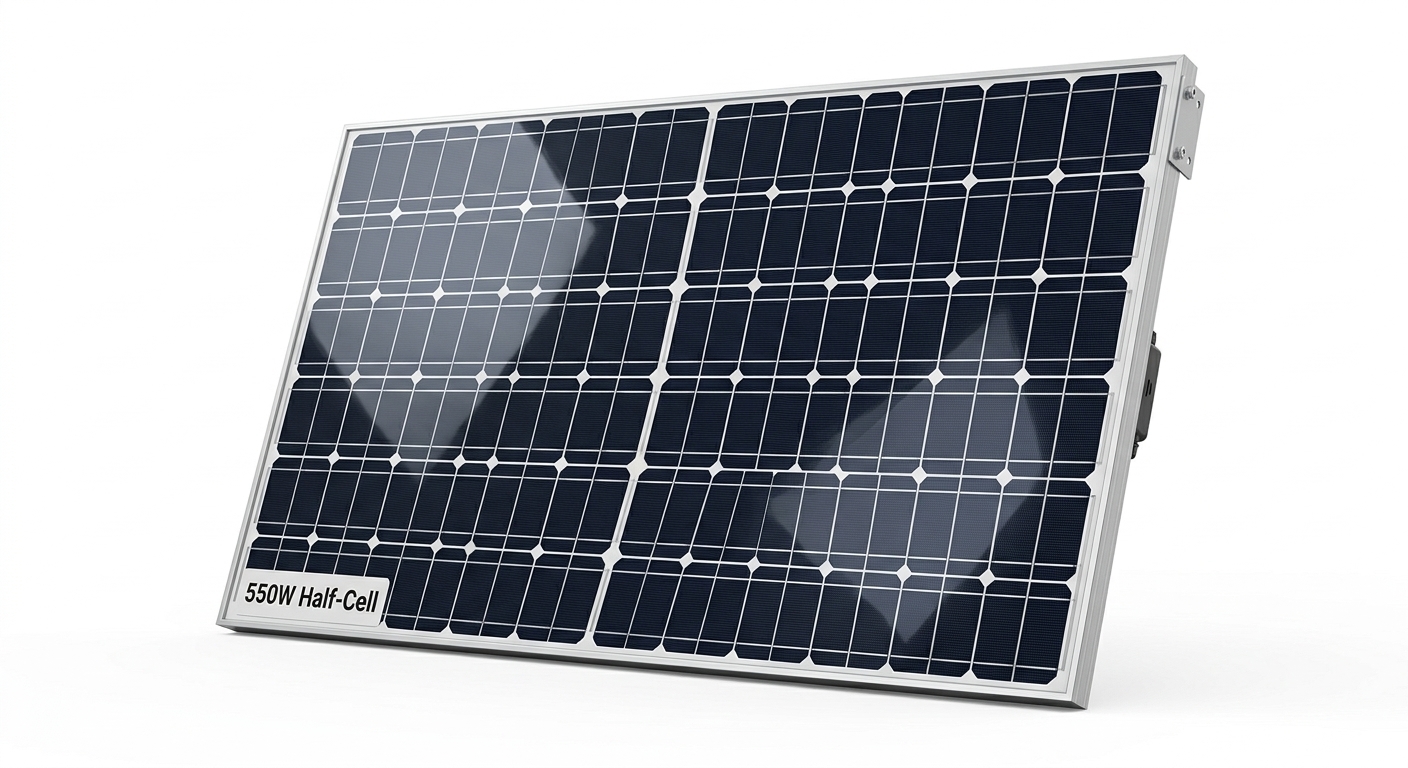
Our example: 2.9 ÷ 5 × 1.3 ≈ 0.75 kW, which is two 450W panels (0.9 kW) with some room to spare. If your area is often cloudy, size up.
Step 4: Size your battery
Your battery covers what you use when the sun isn't shining. In most homes, that's most of the evening and night. If our example family uses about 2 kWh after dark:
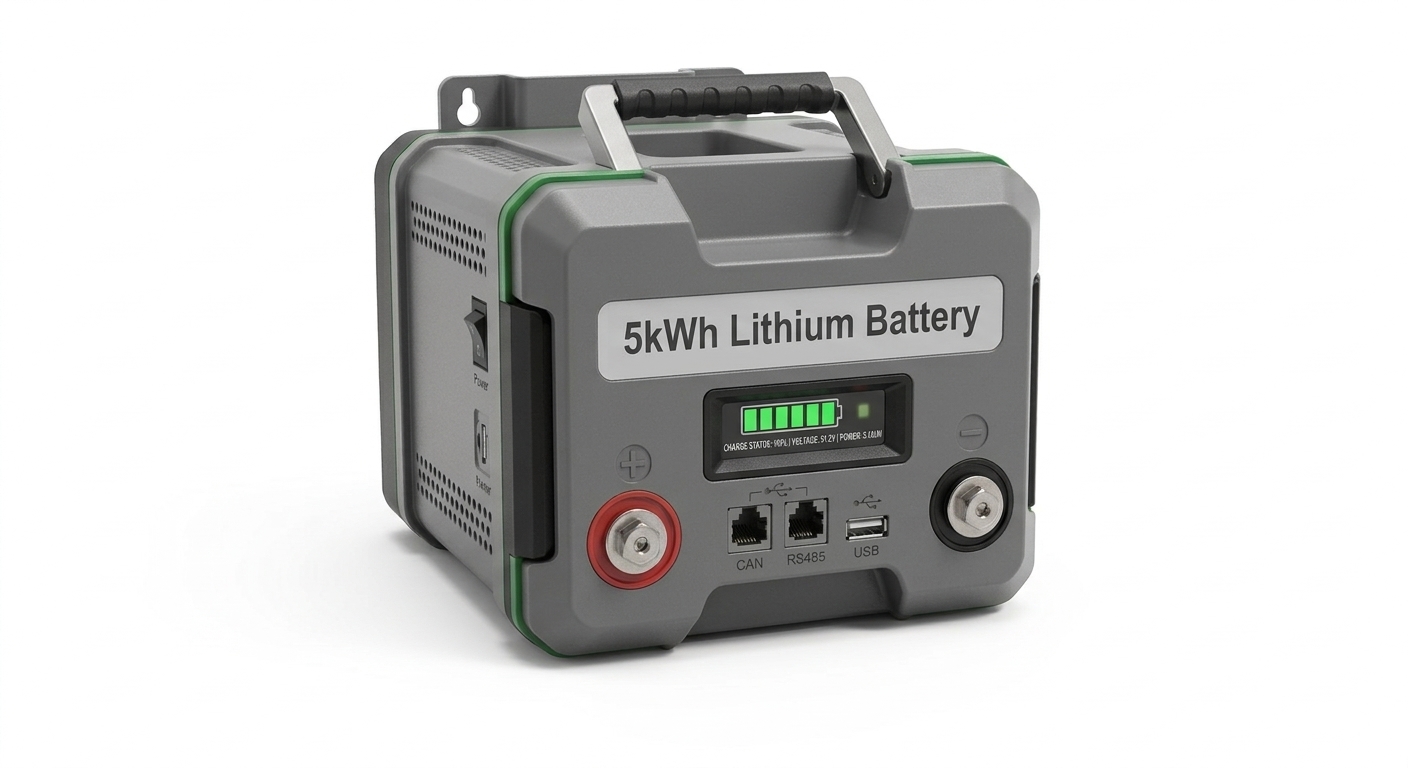
- With lithium (use about 80%): 2 ÷ 0.8 = 2.5 kWh of battery.
- With gel or AGM (use about 50%): 2 ÷ 0.5 = 4 kWh of battery, roughly two 12V 200Ah batteries.
Not sure which battery type to choose? See our lithium vs gel vs tubular comparison. The cheapest option on the price tag usually isn't the cheapest over time.
Step 5: Size your inverter
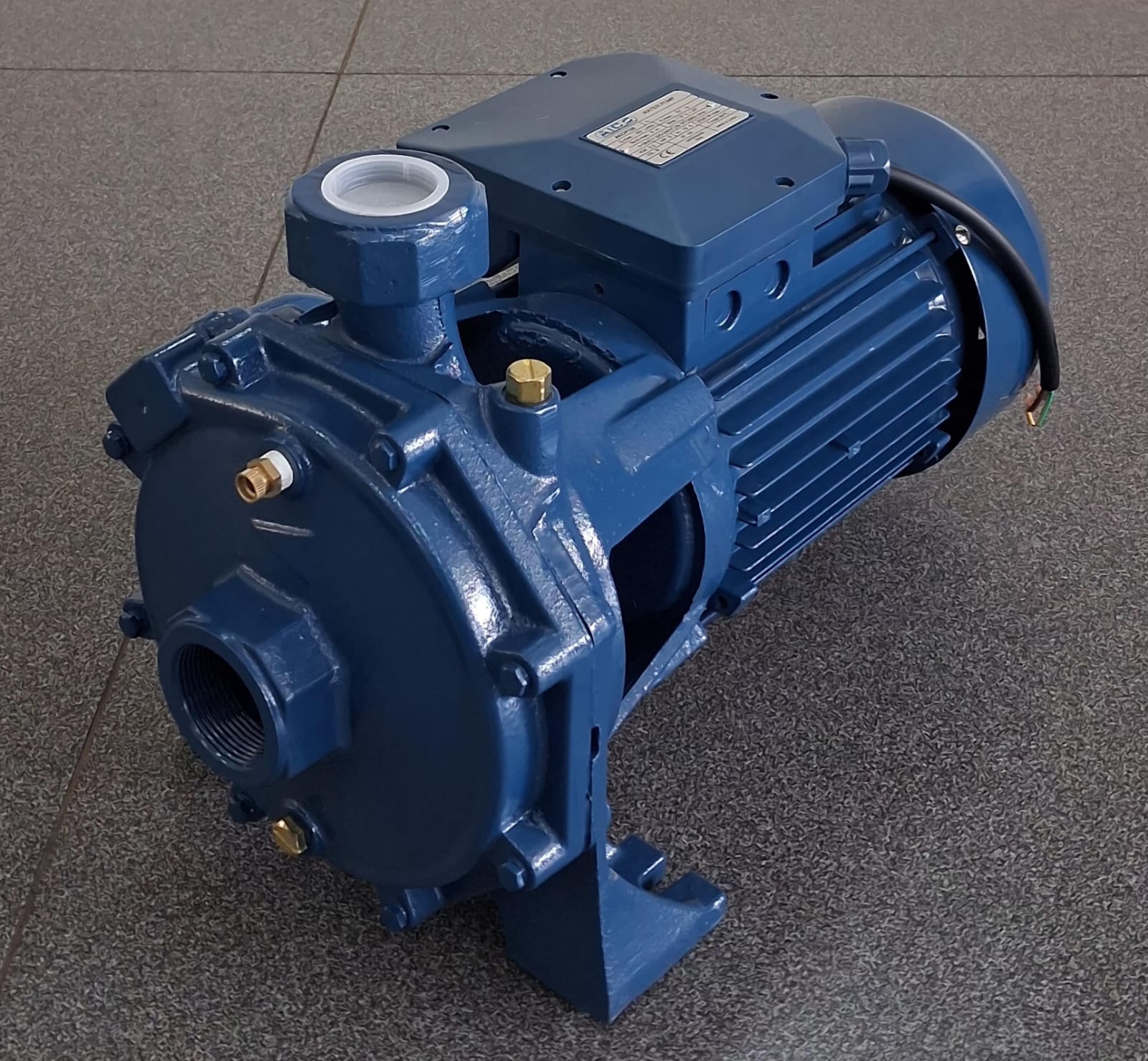
The inverter must handle everything running at the same moment, plus the brief surge when motors start. Fridges and pumps can draw several times their running power for a second or two.
- Add up the watts of everything that might run together.
- Add about 25% headroom, more if you have a fridge, pump or other motors.
For our example home, a 1–2 kW inverter is comfortable. If you might add an iron or a microwave later, go larger. For more detail, read how to choose the right inverter size.
Putting it together
Our example family needs roughly 0.75–1 kW of panels, 2.5 kWh of lithium battery and a 1–2 kW inverter. That's very close to a ready-made kit like our 1kW Starter Solar Kit or 2kW Family Solar Kit, with panels, battery and inverter already matched to work together. Bigger homes and businesses can look at our full range of solar kits.
Before you buy: these are good estimates, but every home is different. Send us your appliance list and our team will check the sizing with you before you spend a shilling.
Frequently Asked Questions
How many solar panels do I need for a house in Kenya?
Work out your daily energy use in kWh, divide by about 5 sun hours and multiply by 1.3. A typical home using 2.5 to 3 kWh a day needs about 0.7 to 1 kW of panels, which is two or three modern 400 to 550W panels.
Can solar power a fridge in Kenya?
Yes. A modern fridge uses roughly 1 to 1.5 kWh a day. You need enough panels to cover that plus your other loads, enough battery for the night, and an inverter that can handle the fridge's starting surge.
Can I run an electric shower or kettle on solar?
Technically yes on a large system, but it is rarely worth it: they use 1.5 to 3kW or more. Use gas for cooking and a solar water heater for showers, and your solar system can be much smaller and cheaper.
How many peak sun hours does Kenya get?
Much of Kenya averages roughly 5 peak sun hours a day, with more in the north and east and less in cloudy highland seasons. That is excellent for solar compared with most of the world.