Getting inverter sizing wrong is one of the most common — and most expensive — mistakes people make when setting up a solar or backup power system. Too small, and it trips or shuts down under load. Too large, and you pay more upfront and run it less efficiently than necessary.
Step 1: List what you'll run at the same time. Walk through a typical evening or outage and note every appliance you'd realistically use together — lights, a fridge, a TV, a router, maybe a water pump. Add up their wattage (usually printed on the appliance or its power adapter).
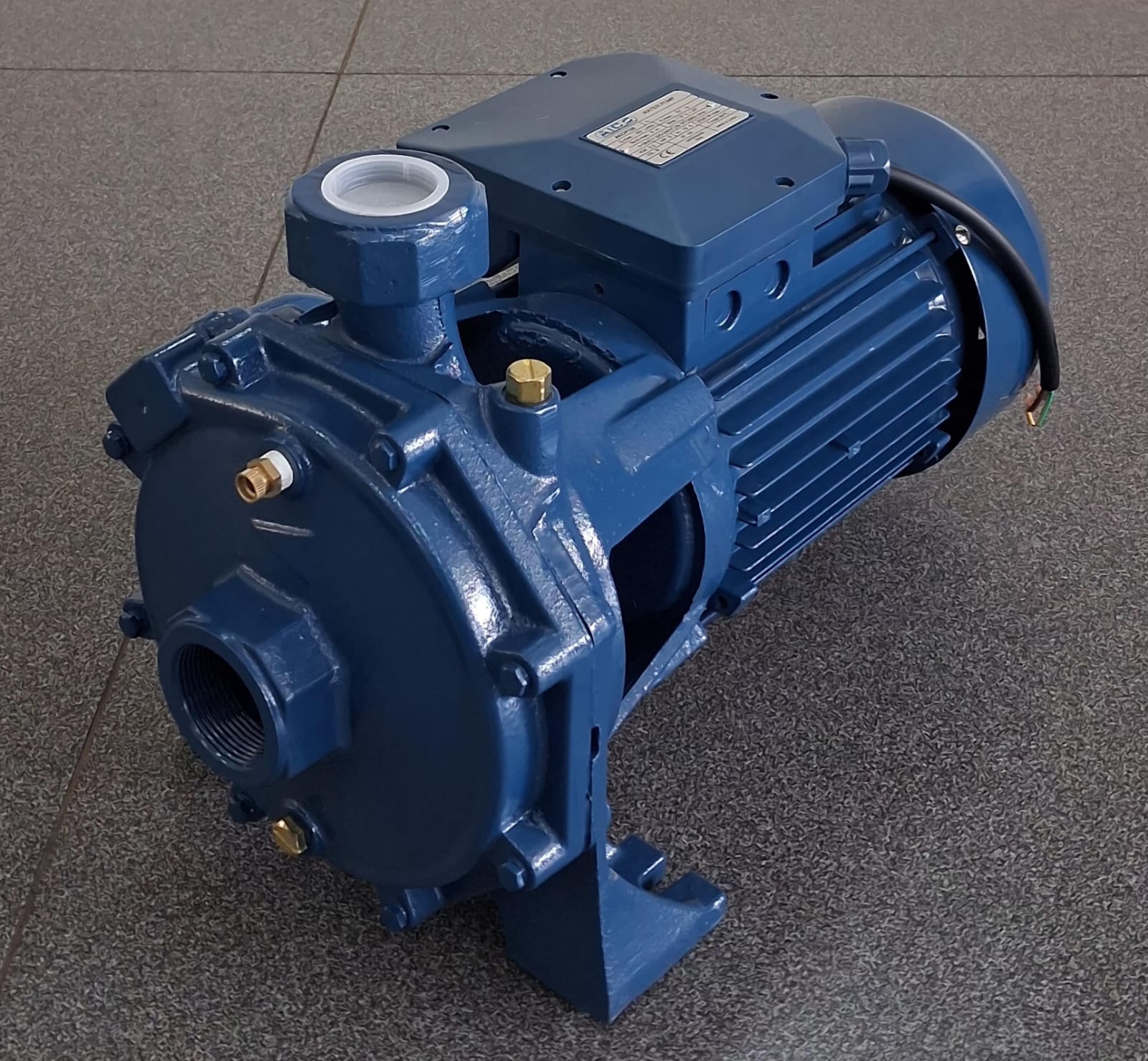
Step 2: Account for starting wattage, not just running wattage. Motors — fridges, pumps, some fans — draw a short surge of power (often 2–3x their running wattage) the moment they switch on. Your inverter needs to handle that surge, not just the steady-state total.
Step 3: Add a safety margin. Once you have your total running wattage plus the largest expected surge, add roughly 20–30% headroom. This keeps the inverter operating comfortably rather than constantly near its limit, which extends its lifespan.
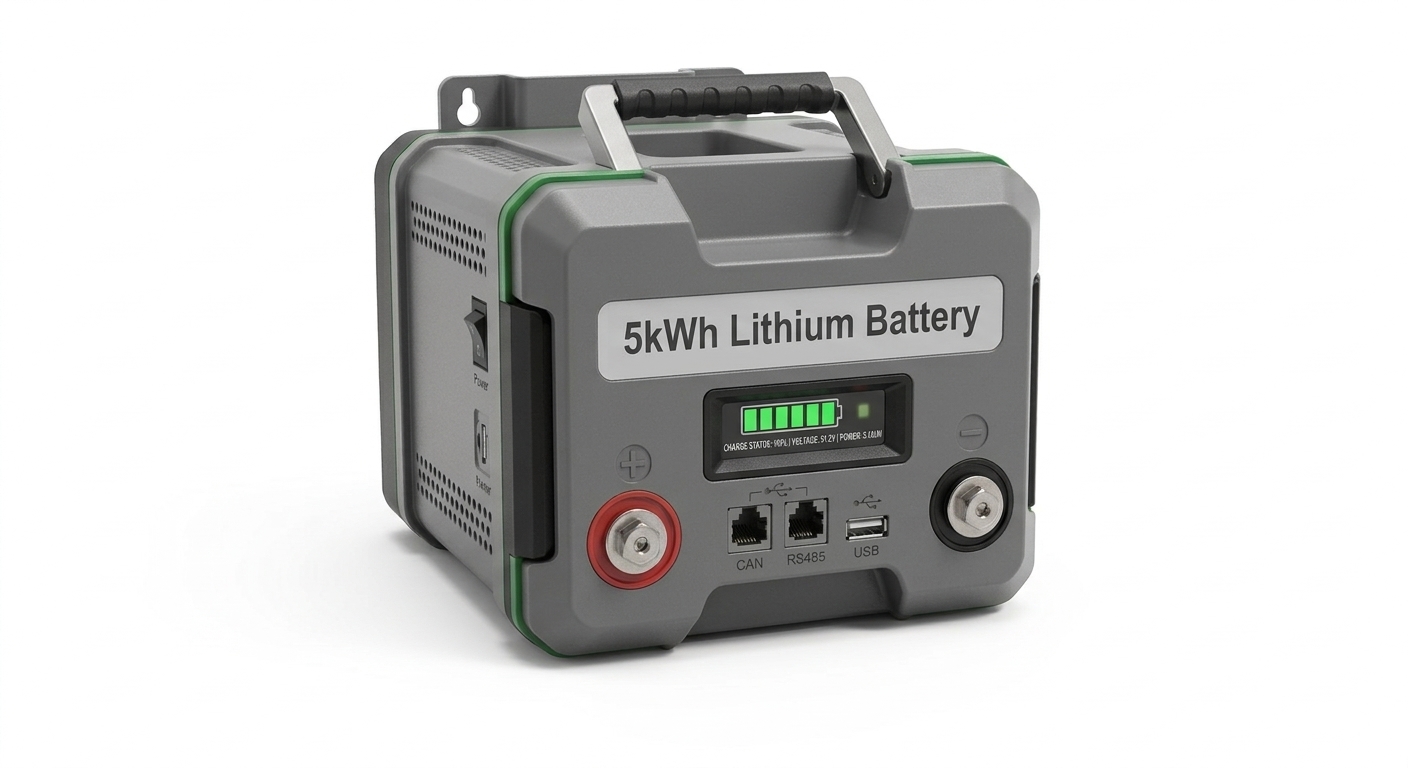
Step 4: Match your battery bank to the inverter. A well-sized inverter paired with an undersized battery still won't give you the backup time you expect. The two need to be sized together based on how long you actually need power to last.
If the math above feels like guesswork, send us your appliance list on WhatsApp — we size systems for a living and can usually recommend the right inverter and battery pairing in a few minutes.