Quick answer: In most Kenyan homes with a roof or ground tank, weak pressure comes from too little height between the tank and your taps. Every 10 metres of height gives only about 1 bar of pressure, so a tank sitting 3 metres above the shower delivers just 0.3 bar. Raising the tank helps a little; a booster pump fixes it properly.
You step into the shower and get a sad dribble. Upstairs, the tap coughs and splutters. The washing machine takes ages to fill. Sound familiar? Weak water pressure is one of the most common frustrations in Kenyan homes, apartments and guest houses, and the good news is that it almost always has a clear cause.
First, understand where your pressure comes from
Most homes here don't get water straight from a high-pressure mains supply. Water is stored in a tank on the roof, on a stand or on the ground, and gravity pushes it through the pipes. The pressure you get depends almost entirely on how high the water sits above the tap:
| Height of water above the tap | Approximate pressure | What it feels like |
|---|---|---|
| 2–3 m (tank just above the ceiling) | 0.2–0.3 bar | A weak trickle from the shower |
| 5 m (tank on a short stand) | 0.5 bar | Usable, but disappointing |
| 10 m (tall tower) | 1 bar | A reasonable shower |
| 20 m+ or a booster pump | 2 bar and above | Strong, hotel-style shower |
That's simple physics: roughly 10 metres of water height gives 1 bar of pressure. Most showers start to feel good from about 1 bar upward, and thermostatic mixers and some water heaters need more than that to work properly.
The 7 most common causes (and the fix for each)
1. The tank is too low
Signs: pressure is weak everywhere, worst on the upper floor.
Fix: raising the tank on a taller stand helps, but every extra metre only adds about 0.1 bar. For a real improvement, add a booster pump (see cause 7).
2. Clogged shower heads and tap aerators
Signs: one outlet is weak while others are fine.
Fix: unscrew the shower head or tap nozzle and soak it in vinegar overnight to dissolve mineral deposits. This is very common in areas with hard borehole water.
3. Pipes that are too narrow or too long
Signs: water is fine near the tank but weak at the far end of the house.
Fix: long runs of narrow pipe, especially with lots of bends, waste pressure. A plumber can upsize the main line from the tank.
4. Partly closed or faulty valves
Signs: pressure dropped suddenly after plumbing work.
Fix: check that every gate valve and isolation valve between the tank and the taps is fully open.
5. Leaks
Signs: the tank empties faster than it should, or there are damp patches on walls or ground.
Fix: close all taps and watch the water meter or tank level. If it keeps dropping, you have a leak to find and repair.
6. Too many outlets open at once
Signs: the shower goes weak when someone else uses the kitchen tap or the washing machine runs.
Fix: gravity systems struggle to feed several outlets at once. A booster pump keeps pressure steady even when the whole household is using water.
7. You simply need a booster pump
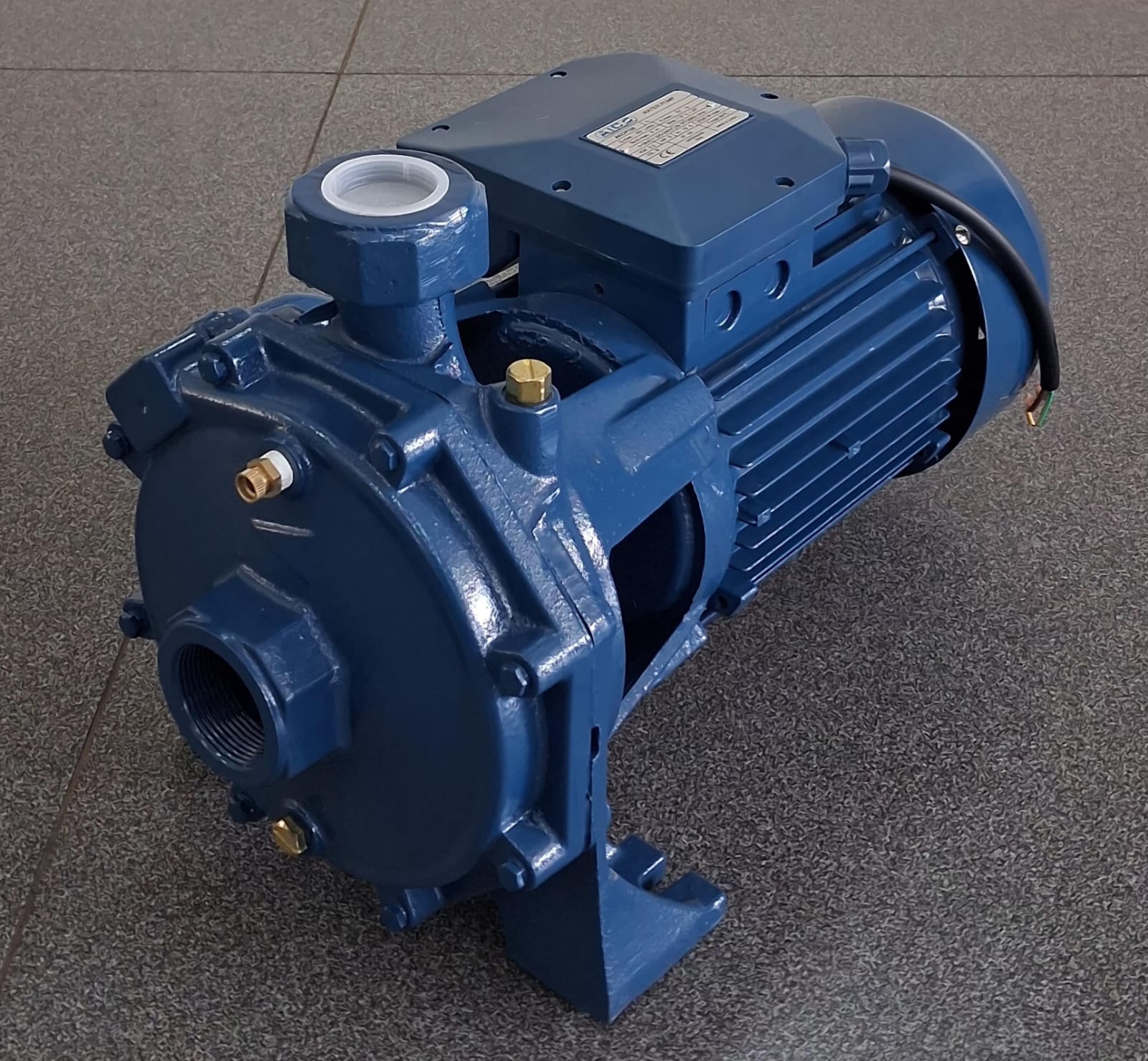
If your tank can't go higher and the plumbing is sound, a booster pump is the permanent fix. It takes water from your tank and pushes it into the pipes at a strong, steady pressure. Paired with a pressure switch, it starts automatically when you open a tap and stops when you close it.
How to choose the right booster pump
Two numbers matter on any booster pump:
- Head (metres): how high the pump can push water. More head means more pressure on upper floors.
- Flow (litres per minute): how much water it delivers. More flow means more taps can run at once.
As a guide, our Aico Japan booster pumps range from a 2HP model (52 m head, 145 L/min) for a typical family home, up to 4HP (62 m head, 250 L/min) for apartments, hotels and institutions. Three-phase versions are available for commercial buildings.
Don't run a pump dry. Make sure the tank feeding the pump always has water above the suction point. Running dry can destroy the pump's seal within minutes.
Bonus: get hot water at the same strong pressure
If you're fixing pressure anyway, think about hot water too. A pressurised solar water heater works with your booster pump to give hot showers at full pressure, heated free by the sun. It's one of the best upgrades you can make to a Kenyan home.
Frequently Asked Questions
Why is my shower pressure weak but the kitchen tap is fine?
If only one outlet is weak, the cause is usually local: a clogged shower head, a blocked aerator, a partly closed valve on that line, or a long narrow pipe run to that bathroom. Clean the shower head first.
Will raising my water tank increase pressure?
Yes, but only a little. Each extra metre of height adds about 0.1 bar. Moving a tank from 3 m to 6 m doubles the pressure, but that is still only about 0.6 bar. A booster pump gives far more.
What size booster pump do I need for my house?
A 2HP pump suits a typical family home with a few bathrooms. Multi-storey homes and small guest houses usually need around 3HP, and apartment blocks or hotels 4HP. Tell us your number of floors and bathrooms and we will recommend the right model.
Does a booster pump use a lot of electricity?
A booster pump only runs while water is flowing, so its electricity use depends on how much water you use rather than running all day. With a pressure switch, it switches itself off as soon as taps close.