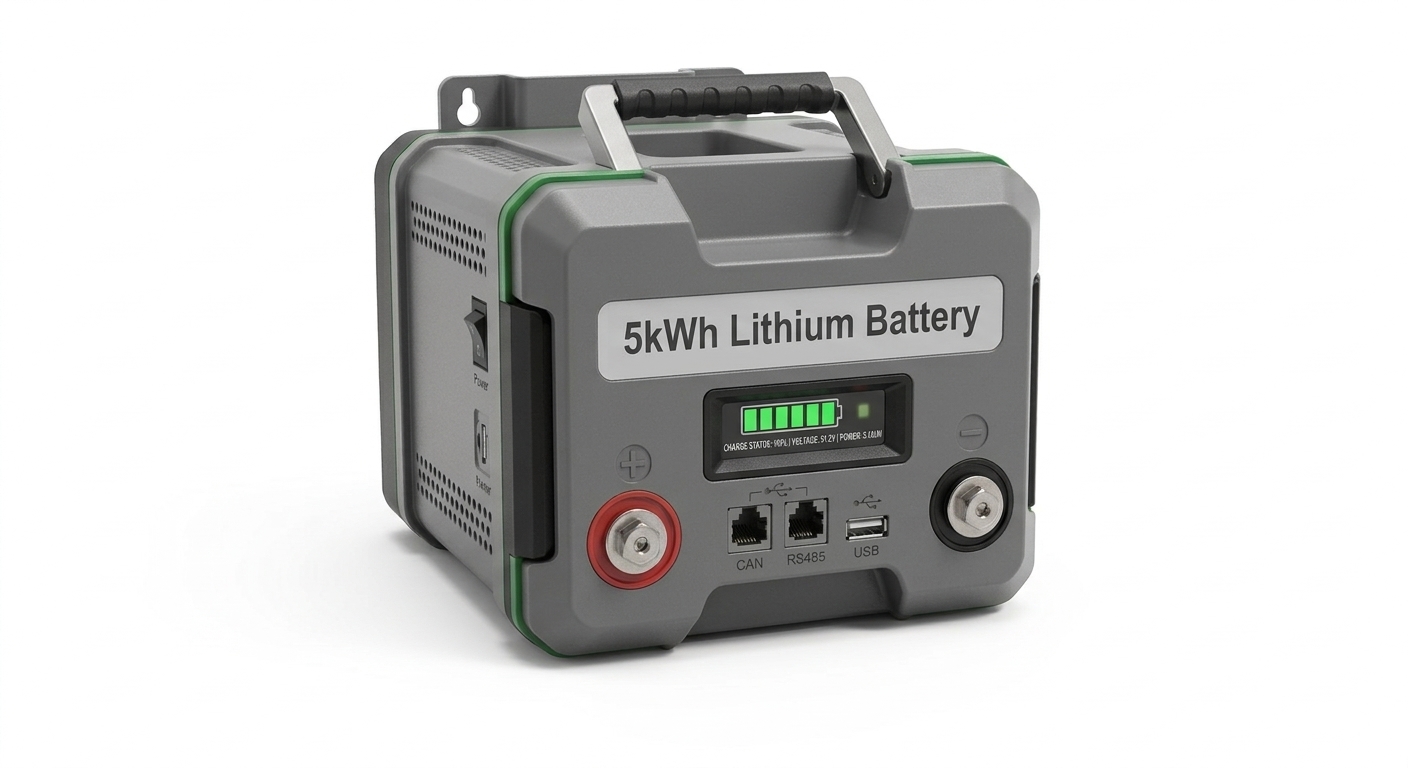
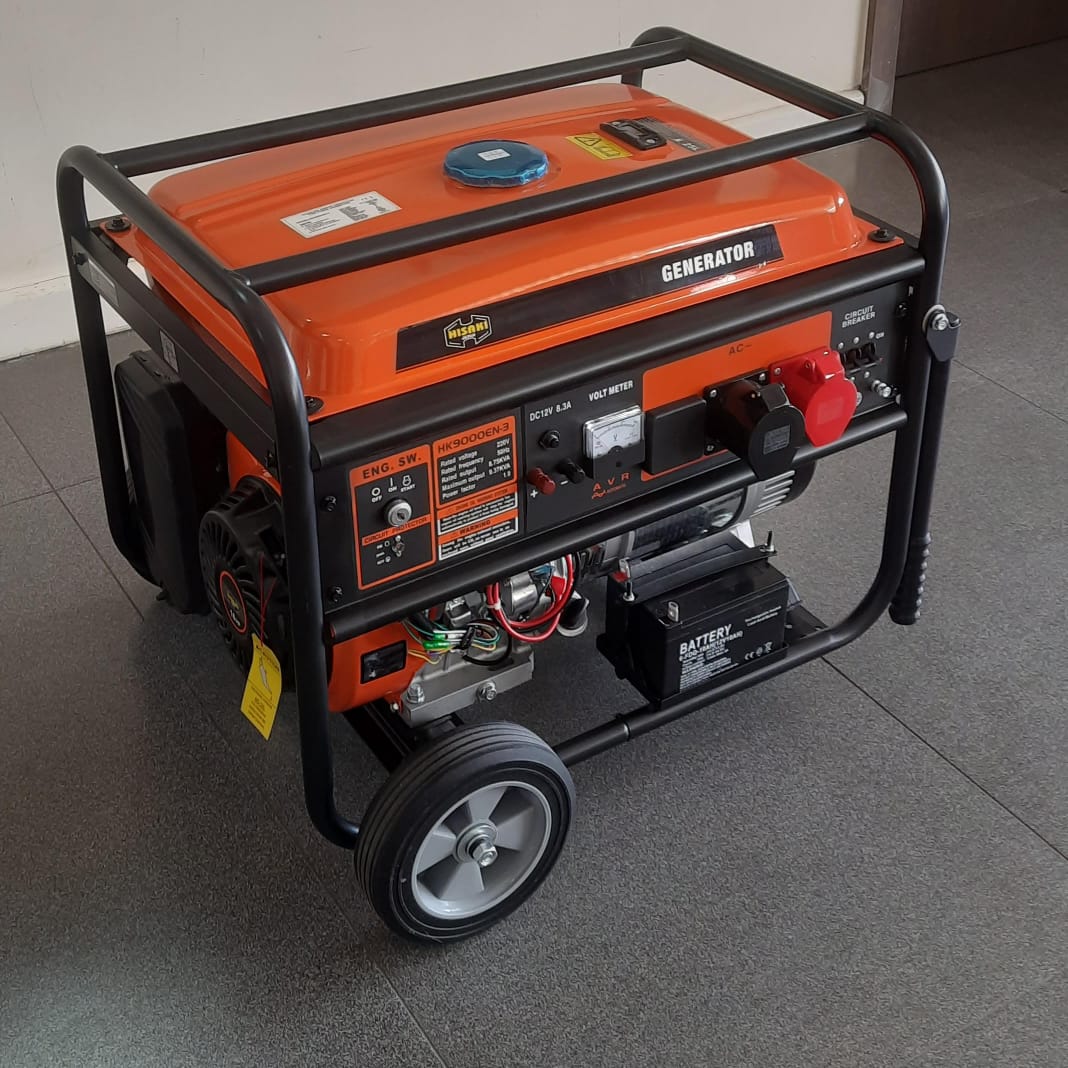
Quick answer: A small petrol generator burns roughly 0.5–0.7 litres of fuel for every kWh it produces when it's properly loaded, and far more when it's only running a few bulbs. At today's pump prices, that's electricity costing many times what you pay on your Kenya Power bill. Generators are great for occasional, short outages and heavy loads. If outages are frequent, a battery or solar backup usually works out cheaper over time, and you can check how fast with the formula below.
When the lights go out, the reflex is to reach for a generator. They're affordable to buy, easy to find and powerful. But a generator is a bit like a cheap printer: the machine is affordable, and the ink is where the real cost hides. With a generator, the "ink" is fuel.
Work out what your generator power really costs
You don't need to be an engineer. Use this simple formula:
Cost per kWh ≈ litres per kWh × pump price per litre
For a small petrol generator running at a sensible load, about 0.6 litres per kWh is a fair working figure. So:
- Example: if petrol costs KSh 190 a litre, then 0.6 × 190 = about KSh 114 for every kWh, before oil changes, spark plugs, servicing and the generator's own wear.
- Plug in today's actual pump price to get your own number.
Now compare that with your electricity bill: divide the amount you paid by the kWh units you bought. For most homes, generator power works out at several times the cost of grid power.
The hidden killer: running a big generator for small loads
A generator burns a good share of its fuel just to keep spinning. If you run a 5kVA generator overnight to power a few bulbs, a TV and Wi-Fi, it can use nearly as much fuel per hour as it would at a much higher load. Per kWh, that's incredibly expensive. This is the single most common way Kenyan households and shops waste money on backup power.
What does battery and solar backup cost per kWh?
A battery doesn't make electricity. It stores it, either from the grid while power is on or from solar panels during the day. So its cost has two parts:
- The battery's own wear. In our battery cost comparison, this ranges from about KSh 6 per kWh for a lithium pack up to about KSh 66 per kWh for AGM.
- The energy to charge it. This costs your normal tariff if you charge from the grid, or is essentially free if you charge from solar panels.
Even charged from the grid, a lithium battery backup typically costs a fraction of generator power for the same kWh. Charged from solar, the running cost is close to nothing.
Side by side
| Petrol / diesel generator | Battery + inverter | Solar + battery | |
|---|---|---|---|
| Upfront cost | Low | Medium | Highest |
| Running cost per kWh | Highest (fuel + servicing) | Low | Lowest |
| Noise and fumes | Yes | Silent | Silent |
| Switch-over during a power cut | Manual, or needs a changeover/ATS | Automatic, in milliseconds | Automatic |
| Heavy loads (welding, big motors) | Excellent | Limited by inverter size | Limited by inverter size |
| Long outages (days) | Excellent while fuel lasts | Limited by battery size | Good if there's sun |
So which one should you choose?
A generator makes sense when…
- Outages are rare and short, so you'll only run it a few hours a month.
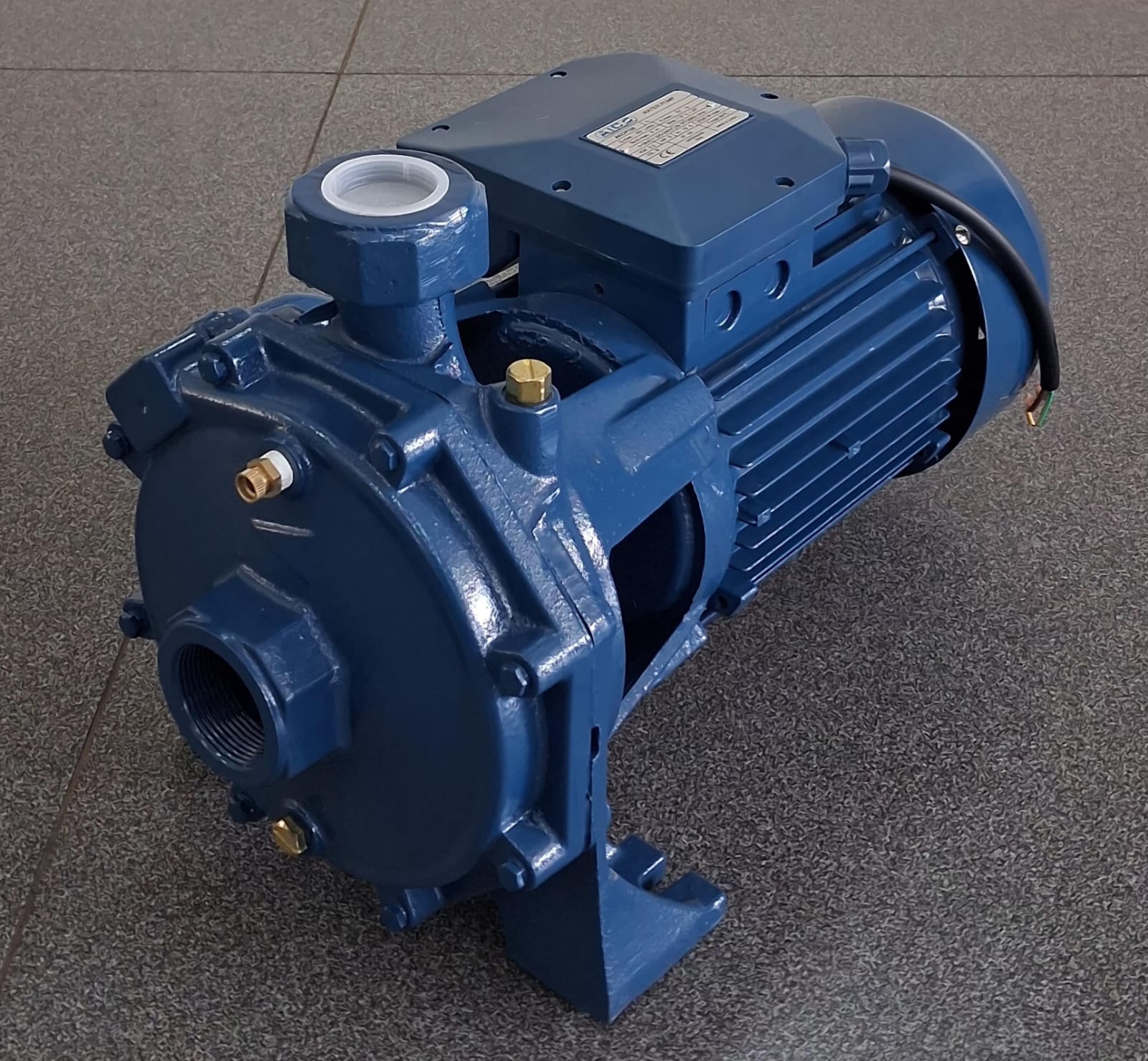
- You need to run heavy equipment: welders, big pumps, workshops, construction sites.
- You need backup for long, multi-day outages at a farm or remote site.
For homes and small shops, an inverter generator is quieter and more fuel-efficient at light loads than a conventional one, and its power is safe for electronics. Browse our full generator range.
Batteries or solar make sense when…
- You get outages every week, or several times a week.
- Your backup loads are modest: lights, TV, Wi-Fi, fridge, laptops, POS machines, CCTV.
- You want silent, automatic backup with no fuel runs.
A complete solar kit pays you back twice: it covers outages and cuts your monthly bill on sunny days.
The smart combination
Many of our business customers use both: batteries or solar for everyday outages and essentials, plus a generator kept for long outages and heavy machinery. The generator then runs a few hours a year instead of every week, so fuel costs fall sharply and the generator lasts much longer.
Frequently Asked Questions
How much fuel does a generator use per hour?
It depends on the size and the load. A useful rule is that a small petrol generator burns about 0.5 to 0.7 litres for every kWh it produces at a sensible load. Running a large generator for a very small load uses far more fuel per kWh.
Is solar cheaper than a generator in Kenya?
Over time, almost always. Solar costs more upfront, but its running cost is close to zero, while a generator keeps costing fuel and servicing every hour it runs. If you have frequent power cuts, the fuel you save often pays back the difference surprisingly quickly. Use the formula in this article with your own fuel use to check.
Can an inverter and battery replace my generator?
For lights, TVs, Wi-Fi, fridges, laptops and most shop equipment, yes. For very heavy loads such as welding machines, large pumps or electric cookers, or for outages lasting several days, a generator is still useful as a second backup.
What size generator do I need for my home?
Add up the wattage of everything you want to run at the same time, then add a margin for motors such as fridges and pumps, which draw extra power when starting. Many homes are well served by 2 to 3.5kVA; larger homes and businesses need more. Ask our team for help sizing it.