Power bills climb every year. Grid outages still interrupt production lines, cold rooms and workshops. And the sun over Kenya delivers some of the most consistent solar resource on earth — roughly 4 to 6 peak sun hours a day across most of the country. That combination is why solar has stopped being a luxury purchase and started being a straightforward business decision.
But "buy solar panels" is not one decision. It is about six. Here is what actually matters, in the order it matters.
1. Start with your load, not with the panels
The most common and most expensive mistake is buying panels first and working backwards. A system that is undersized frustrates you every evening; a system that is oversized ties up capital you did not need to spend.
Before anything else, list what you need to run and for how long:
- Essentials — lights, phone and laptop charging, router, TV, security system
- Heavy or intermittent loads — fridge, freezer, water pump, welding machine, cold room, milking equipment
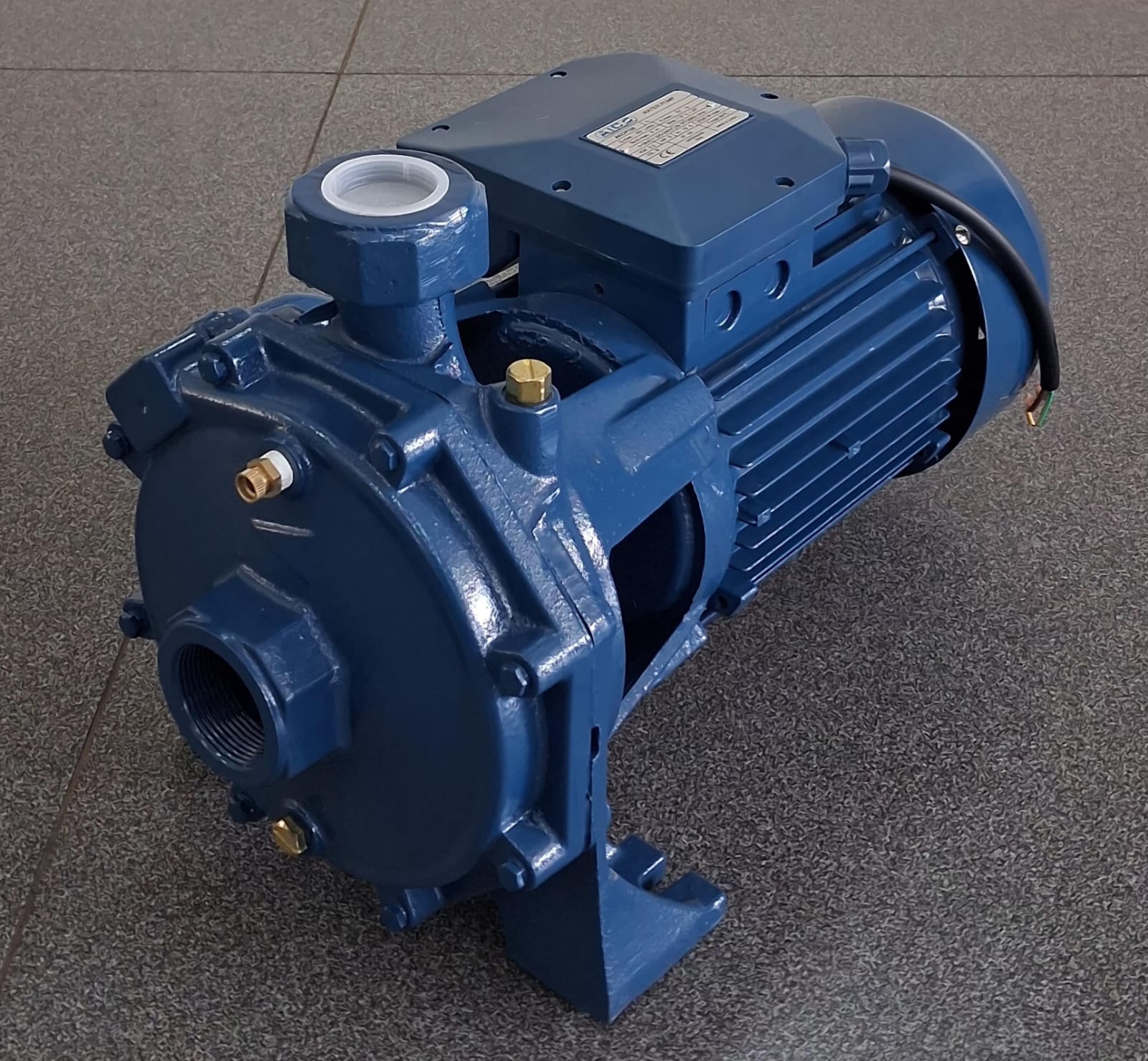
- Motor loads — anything with a compressor or a pump draws a surge several times its running wattage when it starts
Add the daily watt-hours, then decide how many hours of autonomy you want when the sun is not shining. That number drives your panel array, your battery bank and your inverter size together — they are one system, not three separate purchases.
2. Panel type: monocrystalline vs polycrystalline
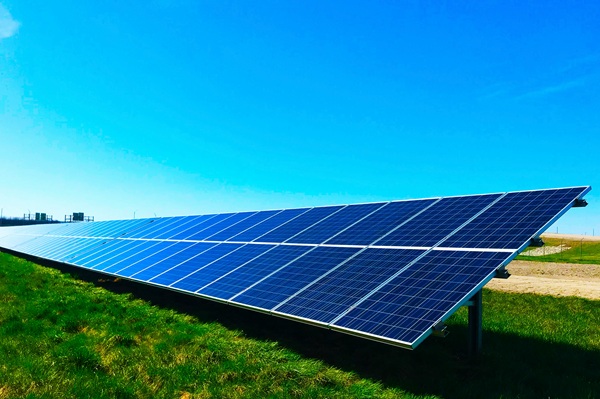
- Monocrystalline panels are the current default. Higher efficiency (typically around 20–22%), better performance in low light and in heat, and they need less roof area for the same output. Slightly higher cost per panel, lower cost per usable watt on a constrained roof.
- Polycrystalline panels are cheaper up front and still perfectly serviceable where roof space is not a limitation — a ground mount on a farm, for example.
For most Kenyan homes and small businesses with a limited roof footprint, mono is the sensible choice. Where you have open land, poly can stretch a budget further.
3. Efficiency, wattage and temperature coefficient
Wattage on the label is measured under standard test conditions — 25°C, clean glass, perfect irradiance. Real rooftops in Nairobi, Kisumu or Mombasa run considerably hotter than that, and panels lose output as they heat up.
Check the temperature coefficient on the datasheet. A panel that loses less output per degree above 25°C will quietly outperform a cheaper panel with the same nameplate wattage every single afternoon for the next twenty years. Ask for the datasheet. A supplier who cannot produce one is telling you something.
4. Certifications and warranties
This is where the Kenyan market separates good stock from grey stock. Insist on:
- IEC 61215 and IEC 61730 certification (performance and safety)
- A product warranty of at least 10–12 years covering defects and workmanship
- A performance warranty — typically around 80–85% of rated output still guaranteed at year 25
- EPRA-licensed supply and installation. In Kenya, solar installation is regulated; unlicensed work can void insurance and puts your property at risk.
A warranty is only as good as the company standing behind it. A 25-year guarantee from a supplier with no physical office and no service record is a piece of paper.
5. Mounting, orientation and shade
Panels want to face the sun and stay cool. In Kenya, that generally means:
- A north-facing pitch is preferred, though east–west splits work well for households that use power in the morning and evening
- A tilt roughly matching your latitude, with enough angle for rain to wash dust off
- Air gap under the panels so heat can escape
- Zero shade during peak hours — one branch, one water tank or one neighbour's new storey can drag a whole string down, because panels in series are limited by the weakest one
Mounting hardware deserves the same scrutiny as the panels. Corroded rails and cheap clamps fail long before the modules do, and they fail during the rains.
6. Balance of system: the parts nobody photographs
Panels are the visible half. The rest determines whether the system lasts:
- Inverter — sized correctly for surge loads, hybrid if you want grid plus battery
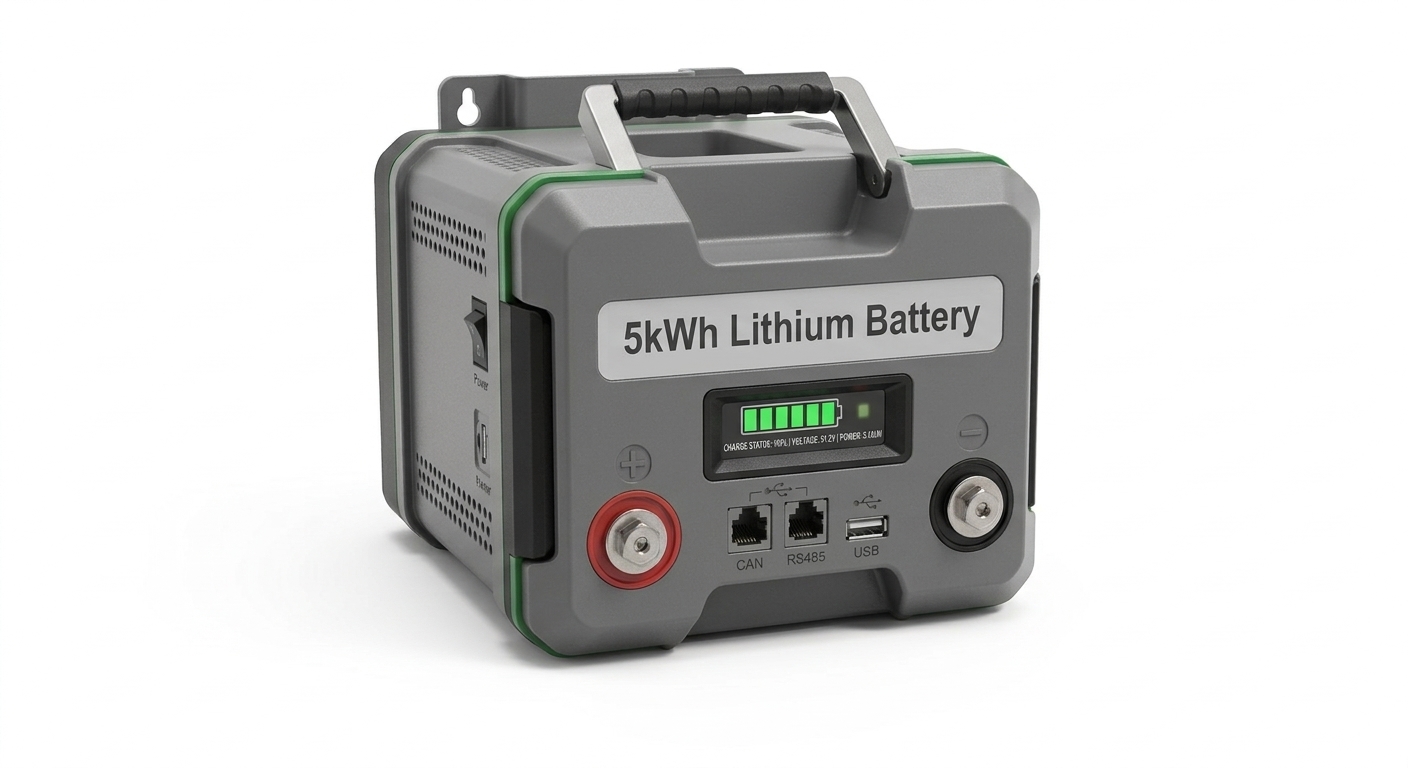
- Batteries — lithium (LiFePO4) for cycle life and depth of discharge, or tubular gel where budget is the binding constraint
- Charge controller — MPPT, not PWM, for anything beyond a small system
- Cabling, breakers, fuses, earthing and surge protection — undersized DC cable is a fire risk, not a saving
- Monitoring — so you find out about a fault from an app, not from a dead freezer
Buy these as a designed system, not as items from different shelves.
7. Maintenance is small but not zero
- Rinse the panel glass every few months — dust in the dry season measurably cuts output
- Keep vegetation trimmed back
- Check terminals, breakers and mounting bolts annually
- Watch your monitoring data for a slow decline, which usually means soiling, a failing string or a tired battery
Why buy from Nepron Power Solutions
Getting the panels right is only useful if the whole system is right. That is what we do.
Nepron Power Solutions supplies and installs solar energy systems, generators and complete power solutions for homes, businesses and industry across Kenya. We do not sell you a box and wish you luck:
- Proper sizing. We survey your loads and your roof and design to them — no guesswork, no oversell.
- Genuine, certified equipment. Tier-quality panels, MPPT controllers, hybrid inverters and lithium storage, with datasheets and warranties you can actually claim.
- Complete installation. Mounting, wiring, protection, commissioning and handover, done to standard.
- Backup power too. Where solar alone is not enough, we integrate generators so critical operations never stop.
- After-sales support. Servicing, spares and troubleshooting from a team you can reach.
Solar Energy — clean, renewable, sustainable. Power Solutions — reliable power, always on. Energy Efficiency — smart solutions, lower costs. Trust & Service — your power, our priority.
Powering today. Sustaining tomorrow.
Talk to our engineers for a free site assessment and a quote sized to your actual usage.
- Phone / WhatsApp: +254 700 123 456
- Email: info@nepron.co.ke
- Web: www.nepron.co.ke
- Location: Nairobi, Kenya
Browse solar panels, inverters, batteries and accessories in our online store, and pay through our WhatsApp checkout — our team will confirm your order and delivery.